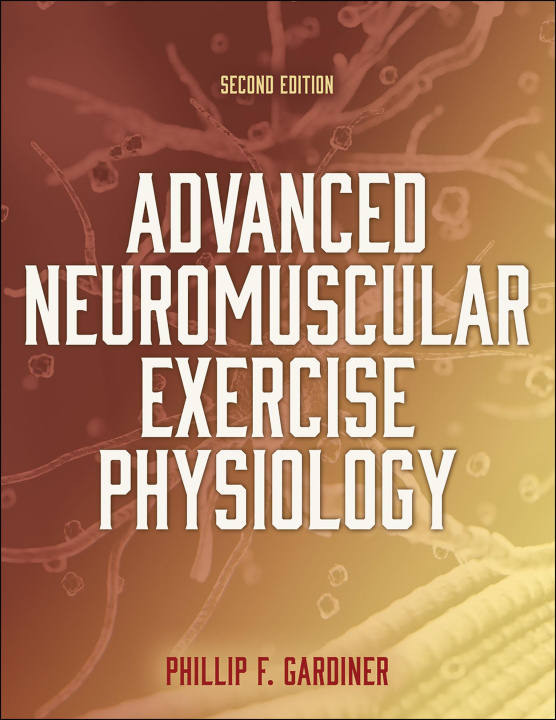
Advanced Neuromuscular Exercise Physiology, Second Edition, uses a mix of biochemistry, molecular biology, neurophysiology, and muscle physiology to provide a synthesis of knowledge and research in the field. The text is a leading resource devoted solely to the topic of nervous and neuromuscular systems, and it assists readers in identifying current directions in research and new avenues for exploration.
Advanced Neuromuscular Exercise Physiology, Second Edition, offers readers a foundation of knowledge while detailing the most recent findings in the rapidly changing field of neuromuscular exercise physiology. It simplifies complex concepts with illustrations and graphs-including 20 new figures-all showcased in a new larger format to help students visualize and better understand the material. A new chapter on clinical considerations has been added, focusing on conditions that involve a compromise in the neuromuscular mechanisms necessary for movement. Other chapters have been updated with new or expanded content, including the following topics:
- Blood flow restriction during exercise as a training method
- The influence of pain on motor unit recruitment
- Surface EMG signals and the role that high-density surface EMG has played in motor unit recruitment research
- Updates on the role of the motoneuronal initial segment in the activation and adaptation of motoneurons
- An exploration of the “onion skin” pattern and neuromechanical matching for an explanation of motor unit recruitment
- The role of exerkines and small extracellular vesicles in adaptation to exercise
The text covers a variety of important issues in the field, beginning with a discussion of motor unit types, muscle blood flow, and metabolic pathways in control of metabolism. Possible peripheral and central contributors to fatigue are discussed, as well as the effects of aerobic endurance training and strength training on the protein profiles of muscle fibers and on the central nervous system.
Chapter objectives have been added to the text to provide a road map for the readers, and new review questions help students assess their understanding of the content. Chapter summaries recap the key issues presented for each topic. Analyses of research findings and research applications are highlighted in special sidebars. Throughout the text, practical examples help readers engage with the content.
Within the dynamic field of neuromuscular exercise physiology, ideas of how nerves and muscles collaborate during acute and chronic exercise are continually evolving.
Advanced Neuromuscular Exercise Physiology, Second Edition, offers an authoritative perspective of current research in the field as it seeks to encourage discussion, further study, and new research directions.