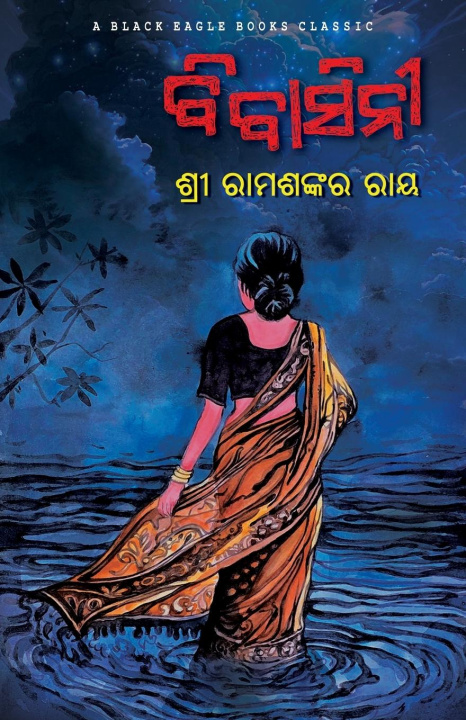
Ramshankar Ray's Bibasini (1891), believed to be the second full length novel in Odia, the first being Umesh Chandra Sarkar's Padmamali (1888), is a novel with an intricately woven plot structure written in style that is at once descriptive, informative, and lyrical. Viewed mostly as a work of fiction delicately poised between a historical romance and a socio-political narrative, Bibasini relates to the period of Maratha hegemony over Odisha spanning from 1751 till the British occupation of the province in 1803. It holds out a panoramic view of Odisha reeling under the tyranny of the Maratha ruler Shambhuji Ganesh Rao during 1769 to 1771, and of the native resistance offered in terms of sporadic but organised assaults launched on the oppressors and collaborators by the Bhuyan dacoits acting at the instances and with the support of the king of Kujanga, Paradip.
The plot that seemingly centres round a tragic love story is actually a complex one, knitting many strands of random episodes into an attractive and coherent tale of unmerited suffering, of crime and vengeance, of sin and retribution. The novel is thronged with characters from different socio-cultural backgrounds, portraying multiple contours of Odisha, the social, cultural, economic and religious ones being the most pronounced amongst them. The novel chronicles the agrarian crisis in Odisha during the Maratha rule and the debacle of the famine that threatened to bring the peasantry of Odisha down to a state of collapse. It narrates the hardship and the misery of the common man especially those who earned their living through farming, had to pass through under the repressive measures of a tyrannous governance and the selfishness and all-devouring avarice of the moneyed local landowners or zamindars.
It is also a gripping tale of a band of burglars, motivated by a romanticised ideal of plundering the rich to sustain the poor, assuming the role of the vindicators of socio-economic equality. They declare themselves as the god's chosen moral agents for delivering violent justice to the wrongdoers. At the same time the novel camouflages a satire on the hollow morals of a socio-cultural system that compels a Hindu widow to practice religious austerity and denies her the right of living the life of a normal woman.
The novel also details the spread of a new religious cult, Vaishnavism, in Odisha that advocated the worship of Lord Hari( Vishnu) and pleaded against a discriminatory caste system that deprived the people of the lesser caste and poor economic status of their legitimate rights. The preachings of the Vaishnava monks Hanuman Dasa and Giridhari Dasa, appears to reflect a semblance of the mystique.