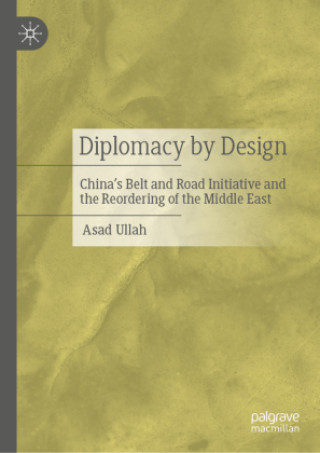
This book offers a critical and original analysis of how China s Belt and Road Initiative (BRI) is actively reshaping the geopolitical architecture of the Middle East. Far from being a neutral economic enterprise, the BRI is conceptualized here as a deliberate and strategic modality of power what the book terms diplomacy by design through which China is redrawing regional alignments, recalibrating state relations, and subtly displacing long-standing Western influence.
Drawing on case studies from key Middle Eastern states including the Gulf monarchies, Iran, Saudi Arabia, and some part of the Levant the book situates China s infrastructural diplomacy within the broader context of regional fragmentation, post-American recalibration, and the emergence of multipolar diplomacy. It engages critically with concepts such as sovereignty, strategic autonomy, and the infrastructure-security nexus, arguing that the BRI constitutes a new grammar of international engagement that departs from traditional Western models.