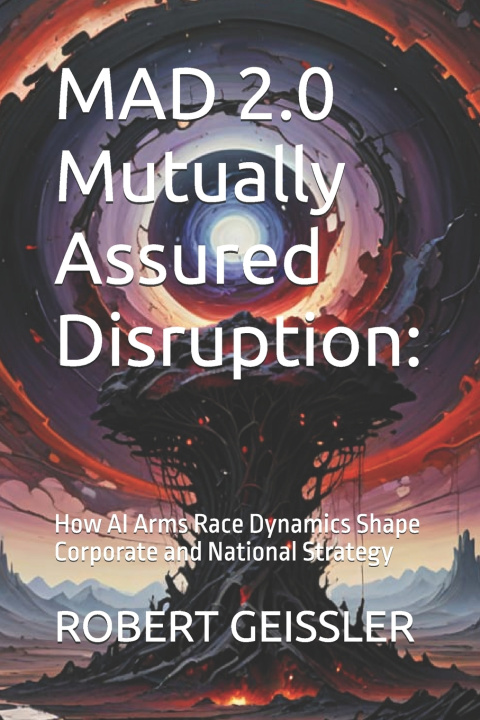
The Cold War ended. The arms race didn't.
The logic of Mutual Assured Destruction - the doctrine that kept two nuclear superpowers from destroying each other for forty years - didn't disappear when the Berlin Wall fell. It evolved. Today, it drives the competition between the United States and China over artificial intelligence, between OpenAI and Google over market dominance, and between every corporation trying to figure out whether to race or wait.
MAD 2.0 applies Cold War deterrence theory to the defining strategic competition of the twenty-first century. Drawing on game theory, arms control history, and geopolitical analysis, this book examines why rational actors keep accelerating a race that no one fully controls - and what, if anything, can be done about it.
Inside:
For executives, policymakers, and strategists who need to understand not just what AI can do - but what the competition to build it is doing to the world around them.