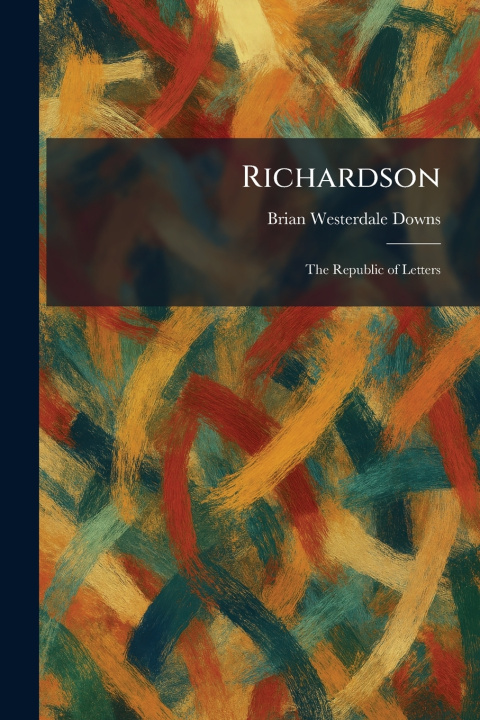
"Richardson" is a comprehensive critical study of the life and literary achievements of Samuel Richardson, a pivotal figure in the development of the English novel. Author Brian Westerdale Downs offers a meticulous examination of the writer behind such monumental works as "Pamela" and "Clarissa," exploring the narrative techniques and moral inquiries that defined Richardson's career. The work situates Richardson within the cultural and intellectual landscape of the eighteenth century, analyzing how his mastery of the epistolary form revolutionized prose fiction and influenced the broader European literary tradition.
Downs delves into the psychological complexity of Richardson's characters and the sentimental tradition he helped to establish. By evaluating Richardson's influence on his contemporaries and his legacy in the evolution of the novel, this volume provides essential insights into the craft of one of literature's most influential pioneers. Scholars and students of literary history will find this an invaluable resource for understanding the historical significance and enduring artistic value of Richardson's contributions to the genre of fiction.
This work has been selected by scholars as being culturally important, and is part of the knowledge base of civilization as we know it. This work was reproduced from the original artifact, and remains as true to the original work as possible. Therefore, you may see the original copyright references, library stamps (as most of these works have been housed in our most important libraries around the world), and other notations in the work.
This work is in the public domain in the United States of America, and possibly other nations. Within the United States, you may freely copy and distribute this work, as no entity (individual or corporate) has a copyright on the body of the work.
As a reproduction of a historical artifact, this work may contain missing or blurred pages, poor pictures, errant marks, etc. Scholars believe, and we concur, that this work is important enough to be preserved, reproduced, and made generally available to the public. We appreciate your support of the preservation process, and thank you for being an important part of keeping this knowledge alive and relevant.