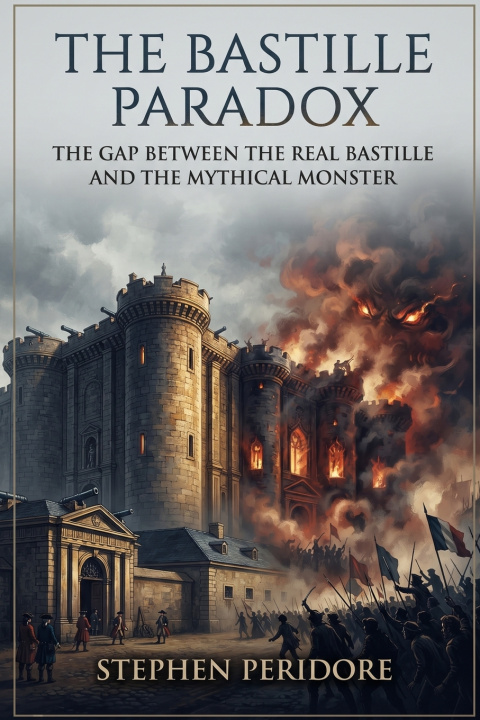
The Myth of the Monster provides a provocative re-examination of the most famous prison in history: the Bastille. While popular memory depicts a dungeon overflowing with political martyrs, the historical reality on July 14, 1789, was a nearly empty fortress holding only seven prisoners in relative comfort. This book explores the fascinating gap between the physical stone structure and the terrifying imaginary monster constructed by decades of Enlightenment writers, philosophers, and pamphleteers. From the 'Builder's Irony' of Hugues Aubriot to the literary weaponry of Voltaire and the calculated lies of the Marquis de Sade, the narrative traces how the French monarchy was brought down not by a military failure, but by a story. By analyzing the 'Luxury Paradox' of prison life and the entrepreneurial demolition led by Pierre-François Palloy, the author reveals how the Bastille became more powerful in its destruction than in its existence. Ultimately, the book serves as a timeless study on how collective belief and political symbolism can reshape reality, proving that the most dangerous weapon in any revolution is not the cannon, but the narrative.